
ASCE/SEI 24-24 Standards
The following products from PS Flood Barriers® meet the ASCE/SEI 24-24 flood barrier testing requirements adopted into the 2027 edition of the International Building Codes.
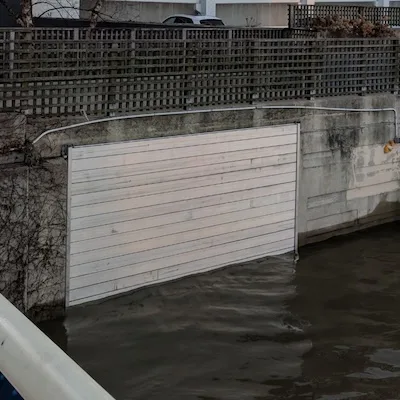
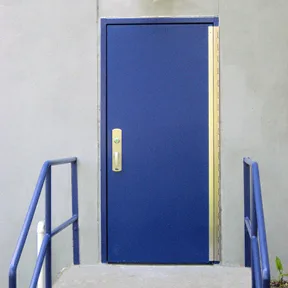
 Hydro1® Pedestrian Flood Door Single (PD520)
MAX ROUGH OPENING: 52.5” x 98.125”
MAX WATER HEIGHT: 96”
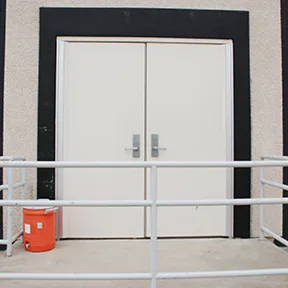 Hydro1® Pedestrian Flood Door Paired (PD520)
MAX ROUGH OPENING: 100.5” x 98.125”
MAX WATER HEIGHT: 96”
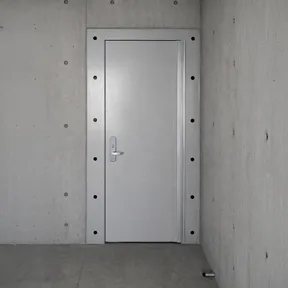 Hydro1® Pedestrian Flood Door Single (PD520-XFL)
MAX ROUGH OPENING: 52.5” x 98.125”
MAX WATER HEIGHT: 360”
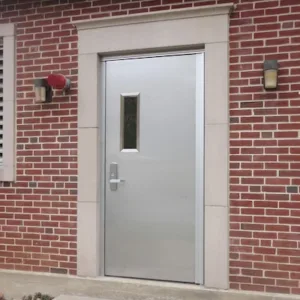 Hydro1® Fired Rated Flood Door Single (PD522)
MAX ROUGH OPENING: 52.5” x 98.125”
MAX WATER HEIGHT: 96”
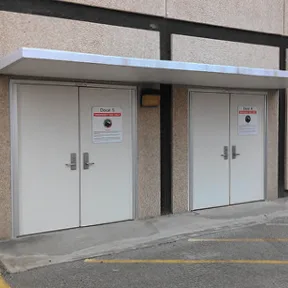 Hydro1® Fired Rated Flood Door Paired (PD522)
MAX ROUGH OPENING: 100.5” x 98.125”
MAX WATER HEIGHT: 96”
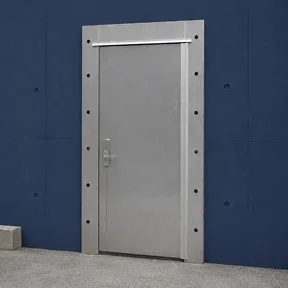 Hydro1® Fire Rated Flood Door Single (PD522-XFL)
MAX ROUGH OPENING: 52.5” x 98.125”
MAX WATER HEIGHT: 360”
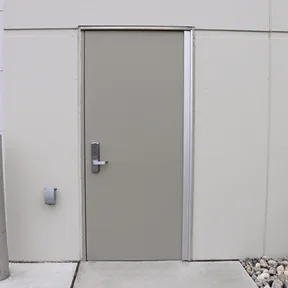 Hydro1® Stock Flood Door Single (PD522)
MAX ROUGH OPENING: 52.5” x 98.125”
MAX WATER HEIGHT: 96”
Hydro1® Fired Rated Flood Door Single (PD522)
MAX ROUGH OPENING: 52.5” x 98.125”
MAX WATER HEIGHT: 96”
Hydro1® Pedestrian Flood Door Single (PD520)
MAX ROUGH OPENING: 52.5” x 98.125”
MAX WATER HEIGHT: 96”
Hydro1® Fired Rated Flood Door Paired (PD522)
MAX ROUGH OPENING: 100.5” x 98.125”
MAX WATER HEIGHT: 96”
Hydro1® Pedestrian Flood Door Paired (PD520)
MAX ROUGH OPENING: 100.5” x 98.125”
MAX WATER HEIGHT: 96”
Hydro1® Fire Rated Flood Door Single (PD522-XFL)
MAX ROUGH OPENING: 52.5” x 98.125”
MAX WATER HEIGHT: 360”
Hydro1® Pedestrian Flood Door Single (PD520-XFL)
MAX ROUGH OPENING: 52.5” x 98.125”
MAX WATER HEIGHT: 360”
Hydro1® Stock Flood Door Single (PD522)
MAX ROUGH OPENING: 52.5” x 98.125”
MAX WATER HEIGHT: 96”
What is ASCE/SEI 24-24?
ASCE/SEI 24-24 (Flood Resistant Design and Construction) is a national consensus standard published by the American Society of Civil Engineers (ASCE) and its Structural Engineering Institute (SEI). It establishes minimum technical requirements for the flood-resistant design and construction of new buildings and substantial improvements to existing structures in flood hazard areas.
ASCE 24-24 has been approved for inclusion in the 2027 International Codes, including the Building, Residential and Existing Building code volumes. It was adopted by the ICC through a consensus of building professionals from all levels: local municipalities, state governments, federal representatives and private industry. Its inclusion in the 2027 International Codes represents an important step toward broader adoption of updated, nationally recognized standards for flood-resistant design and construction.
Key Updates In ASCE 24-24:
ASCE 24-24 contains significant changes from the previous version, ASCE 24-14, and aligns with the ASCE 7-22 Supplement 2 for design flood loads, which was released in May 2023. The updated standard includes numerous requirements that exceed the NFIP minimums/regulations that have existed since 1973. Communities are encouraged to consider incorporating these requirements into their building code and/or floodplain management ordinance. Key updates include:
- Expanded flood hazard area. The flood hazard area is redefined to include the 500-year floodplain (where it is mapped as Shaded X Zone or Zone B or C on some older FIRMs) as well as the 100-year floodplain (SFHA).
- Elevation requirements are tied to the flood design class of the structure. The assignment of the flood design class is based on a building or structure’s risk to human life, health and welfare if affected by flooding. For most residential, commercial and industrial structures, this is the 500-year mean recurrence interval (MRI) flood event. For more critical facilities, it goes to 750- or 1000-year.
- Climate change considerations. Coastal floodplain calculations must now factor in future sea level change based on historic trends.
- Enhanced dry floodproofing requirements. The standard overhauls requirements for dry floodproofing, including the required use of ANSI/FM 2510- certified products and updates to inspection and maintenance needs and flood emergency operation plans.